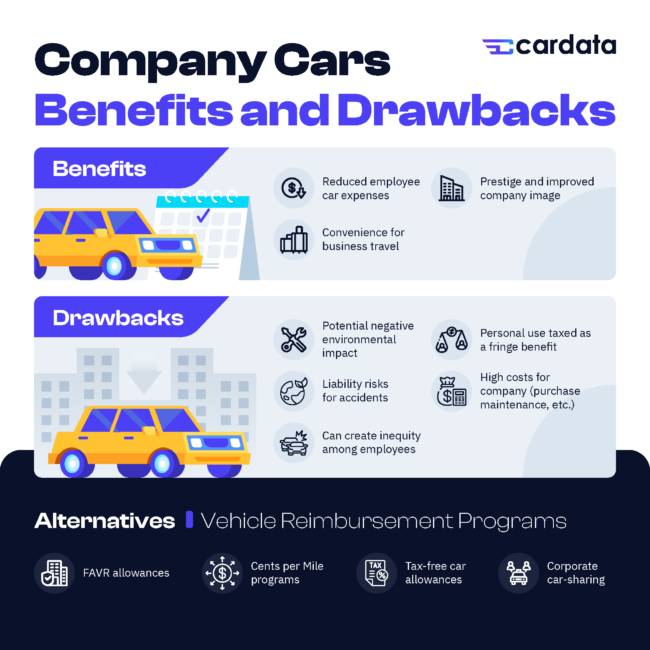
The concept of a vehicle utilized for professional purposes encompasses a wide range of applications. A delivery van transporting goods, a service vehicle carrying tools and equipment, or a company car used for client visits all fall under this category. These vehicles are essential instruments for conducting business operations, facilitating tasks ranging from logistics and transportation to sales and field services.
Utilizing vehicles professionally enhances efficiency and productivity across numerous industries. They enable businesses to reach wider markets, provide timely services, and transport goods and personnel effectively. This mobility is integral to modern commerce and has evolved significantly alongside advancements in automotive technology and infrastructure. The increasing reliance on vehicles for business operations underscores their importance in economic growth and development.
This article will delve into various aspects of professional vehicle utilization, including vehicle selection, maintenance, operational costs, and the impact of technological advancements on fleet management and efficiency. It will also explore the evolving landscape of commercial transportation and the role of sustainability in future vehicle operations.
1. Vehicle Selection
Vehicle selection plays a critical role in the effectiveness and efficiency of professional vehicle use. The choice of vehicle directly impacts productivity, operational costs, and brand image. Careful consideration of job-specific needs is paramount. For example, a sales representative requiring frequent client visits would benefit from a comfortable, fuel-efficient sedan, projecting a professional image while minimizing travel expenses. Conversely, a construction company needs durable trucks capable of hauling heavy materials, prioritizing load capacity and off-road capability over fuel efficiency and aesthetics. Mismatches between vehicle type and job requirements can lead to decreased productivity, increased costs, and potential safety hazards.
Several factors influence optimal vehicle selection. Cargo capacity, terrain suitability, fuel efficiency, and safety features are key considerations. Analyzing typical routes, payload requirements, and environmental conditions informs the decision-making process. Businesses operating in urban environments might prioritize compact, maneuverable vehicles for efficient navigation and parking. Organizations working in remote areas may require four-wheel drive vehicles with high ground clearance. Balancing practical needs with budgetary constraints is crucial, exploring options such as leasing or purchasing used vehicles to optimize cost-effectiveness.
In conclusion, strategic vehicle selection is essential for maximizing the benefits of professional vehicle use. A thorough assessment of operational needs, coupled with a cost-benefit analysis of available options, ensures the chosen vehicle aligns with the organization’s objectives. This approach contributes to enhanced productivity, reduced operational costs, and a stronger brand presence. Failure to prioritize appropriate vehicle selection can negatively impact business operations, underscoring its importance in achieving operational success.
2. Maintenance
Regular maintenance is crucial for vehicles utilized professionally. A well-maintained vehicle ensures reliability, minimizes downtime, extends operational lifespan, and contributes to a safe working environment. Neglecting routine maintenance can lead to costly repairs, unexpected breakdowns, and potential safety hazards, ultimately impacting productivity and profitability. For example, a delivery company relying on a fleet of vans for daily operations could face significant disruptions if vehicles are frequently out of service due to preventable mechanical issues. Regular maintenance, including oil changes, brake inspections, and tire rotations, mitigates these risks and ensures smooth operations.
Preventive maintenance programs offer a structured approach to vehicle care. Scheduled inspections, based on mileage or time intervals, allow for early detection of potential problems. This proactive approach prevents minor issues from escalating into major repairs, reducing long-term costs and maximizing vehicle uptime. Furthermore, adhering to manufacturer-recommended maintenance schedules often preserves warranty coverage, providing additional financial safeguards. A transportation company implementing a preventive maintenance program can significantly reduce its fleet’s overall maintenance expenses and improve operational efficiency.
In summary, the connection between maintenance and professional vehicle use is fundamental to operational success. Regular maintenance is an investment that protects valuable assets, minimizes disruptions, and ensures a safe working environment. Implementing a structured maintenance program, emphasizing preventive care, optimizes vehicle performance, extends operational lifespan, and contributes to long-term cost savings. Neglecting this critical aspect of vehicle management jeopardizes operational efficiency and can lead to significant financial losses.
3. Operational Costs
Managing operational costs associated with vehicles used for professional purposes is crucial for maintaining profitability and achieving sustainable business operations. These costs represent a significant portion of overall business expenses and require careful monitoring and control. Understanding the various components of operational costs allows businesses to make informed decisions regarding vehicle selection, maintenance strategies, and resource allocation.
-
Fuel Consumption
Fuel represents a major operational expense, particularly for businesses with extensive transportation needs. Fuel efficiency is a critical factor in vehicle selection, impacting daily operational costs. Fluctuations in fuel prices can significantly affect budgets, necessitating strategies to mitigate these risks. For example, a delivery service operating a large fleet of vehicles must carefully monitor fuel consumption and explore options such as route optimization and driver training to minimize fuel expenses. Technological advancements, such as hybrid or electric vehicles, offer opportunities to reduce reliance on traditional fuels and mitigate the impact of price volatility.
-
Maintenance and Repairs
Regular maintenance and unforeseen repairs contribute significantly to operational costs. Preventive maintenance programs can help control these expenses by mitigating the risk of major breakdowns. However, budgeting for unexpected repairs is essential. For instance, a construction company operating heavy machinery must allocate resources for both scheduled maintenance and potential repairs due to the demanding nature of their work. Tracking maintenance history and analyzing repair patterns can inform decision-making regarding vehicle replacement or upgrades.
-
Insurance Premiums
Insurance is a necessary expense for protecting vehicles used for business purposes. Premiums vary based on factors such as vehicle type, driver history, and coverage levels. Choosing appropriate insurance coverage and managing driver behavior can influence insurance costs. A transportation company employing multiple drivers must ensure adequate insurance coverage for its fleet while implementing driver safety programs to minimize accidents and maintain lower premiums. Regularly reviewing insurance policies and exploring competitive options can optimize coverage and cost-effectiveness.
-
Depreciation
Vehicles used for work purposes inevitably depreciate in value over time. This depreciation represents a significant cost that businesses must factor into their financial planning. The rate of depreciation depends on several factors, including vehicle type, mileage, and maintenance history. A company relying on a fleet of vehicles for its core operations must account for depreciation when making decisions about vehicle replacement cycles. Strategic decisions, such as leasing versus purchasing, can influence the financial impact of depreciation.
Careful management of these operational costs is essential for the financial health of any organization relying on vehicles for professional activities. By understanding and controlling these costs, businesses can improve profitability, enhance operational efficiency, and make informed decisions regarding resource allocation. This includes adopting strategies to reduce fuel consumption, implementing preventive maintenance programs, optimizing insurance coverage, and strategically managing vehicle lifecycles to minimize the impact of depreciation. A comprehensive approach to managing operational costs contributes to the long-term sustainability and success of businesses utilizing vehicles for professional purposes.
4. Insurance
Insurance plays a critical role in the context of vehicles utilized for professional purposes. It provides financial protection against a range of risks associated with operating vehicles for business activities, including accidents, theft, and property damage. The specific insurance needs vary depending on the nature of the business, the type of vehicles used, and the legal requirements governing commercial vehicle operation. For instance, a delivery company operating a fleet of vans requires comprehensive commercial auto insurance covering potential liabilities arising from accidents involving their drivers and vehicles. This coverage protects the company from financial losses associated with property damage, medical expenses, and legal claims. Conversely, an employee using a personal vehicle for occasional work-related travel might require non-owned auto insurance as an add-on to their personal policy, covering potential liabilities arising from accidents occurring while driving for business purposes.
Several types of insurance coverage are relevant to vehicles used for work. Liability coverage protects against claims of bodily injury or property damage caused to others. Collision coverage covers damage to the vehicle itself in the event of an accident. Comprehensive coverage protects against non-collision incidents such as theft, vandalism, or natural disasters. Uninsured/underinsured motorist coverage provides protection if an accident is caused by a driver without sufficient insurance. Understanding these different coverage options and selecting the appropriate combination is essential for mitigating potential financial risks. A construction company operating heavy machinery, for example, might prioritize comprehensive and collision coverage to protect its valuable assets, while a rideshare driver would require specific rideshare insurance to cover the period when transporting passengers.
In conclusion, appropriate insurance coverage is indispensable for mitigating the financial risks inherent in utilizing vehicles for professional activities. Failing to secure adequate insurance can expose businesses and individuals to substantial financial losses in the event of an accident, theft, or other unforeseen circumstances. A thorough assessment of operational risks, coupled with a clear understanding of available insurance options, is crucial for making informed decisions regarding insurance coverage. This proactive approach ensures appropriate protection and contributes to the financial stability of businesses and individuals reliant on vehicles for their professional endeavors. The complexity of commercial auto insurance underscores the importance of consulting with insurance professionals to navigate the various coverage options and determine the most suitable insurance strategy.
5. Legal Compliance
Legal compliance is paramount when utilizing vehicles for professional purposes. Operating vehicles within a business context introduces a complex array of legal obligations that must be adhered to diligently. Non-compliance can lead to significant penalties, legal ramifications, and reputational damage, impacting business operations and financial stability. This encompasses various aspects, including vehicle registration and licensing, driver licensing and qualifications, adherence to traffic laws, maintenance requirements, and industry-specific regulations. For example, commercial trucking companies must comply with stringent regulations regarding driver hours of service, vehicle weight limits, and cargo securement, ensuring road safety and preventing accidents. Failure to comply with these regulations can result in hefty fines, license suspensions, and even criminal charges.
The specific legal requirements vary depending on the nature of the business, the type of vehicles used, and the jurisdiction in which the vehicles operate. Businesses must remain informed about applicable federal, state, and local regulations to ensure ongoing compliance. This necessitates diligent research, regular updates on changing legislation, and potentially consultation with legal experts specializing in transportation law. For instance, a company operating a fleet of delivery vans in multiple states must navigate varying state regulations regarding vehicle emissions standards, insurance requirements, and commercial vehicle registration procedures. Ignoring these variations can lead to legal complications and operational disruptions across different jurisdictions. Moreover, businesses operating in specialized industries, such as hazardous material transportation, face additional legal requirements related to driver training, vehicle specifications, and safety protocols.
In conclusion, legal compliance is an integral aspect of utilizing vehicles for professional activities. Adherence to relevant regulations safeguards businesses from legal repercussions, protects their reputation, and contributes to a safer operational environment. Navigating the complexities of vehicle-related legislation requires proactive effort, continuous monitoring of regulatory changes, and a commitment to prioritizing legal compliance within all aspects of vehicle operations. Failing to prioritize legal compliance exposes businesses to substantial risks, including financial penalties, operational disruptions, and reputational damage, ultimately jeopardizing their long-term success and sustainability. A robust legal compliance framework is essential for responsible and successful business operations involving professional vehicle use.
6. Driver Training
Driver training is essential for personnel operating vehicles in a professional capacity. It equips drivers with the knowledge and skills necessary to operate vehicles safely and efficiently, minimizing risks and maximizing productivity. Comprehensive driver training programs contribute significantly to a safer work environment, reduced operational costs, and enhanced professional image. This training goes beyond basic driving skills, encompassing specialized techniques, safety procedures, and legal compliance related to professional vehicle use.
-
Defensive Driving Techniques
Defensive driving techniques equip drivers with proactive strategies to anticipate and avoid potential hazards. These techniques emphasize hazard perception, risk assessment, and appropriate responses to challenging driving situations. For example, training might include recognizing potential hazards posed by other drivers, adverse weather conditions, or challenging road layouts. Implementing defensive driving techniques reduces the likelihood of accidents, protects valuable cargo, and ensures the safety of drivers and other road users. In the context of professional driving, where drivers spend significant time on the road, defensive driving is crucial for mitigating risks and maintaining a safe operational environment. A delivery driver trained in defensive driving can anticipate and avoid potential collisions in congested urban traffic, minimizing delays and ensuring timely deliveries.
-
Vehicle-Specific Training
Operating different types of vehicles requires specialized skills and knowledge. Vehicle-specific training addresses the unique operational characteristics of various vehicle types, such as heavy trucks, trailers, or specialized equipment. This training might include maneuvering techniques, load securement procedures, or operating specialized controls. For example, a truck driver transporting hazardous materials requires specialized training on handling dangerous goods, emergency procedures, and specific regulations governing hazardous material transportation. Providing vehicle-specific training ensures drivers can operate their assigned vehicles competently and safely, minimizing the risk of accidents and maximizing operational efficiency. A construction company operating heavy machinery would provide specialized training to operators on the safe and efficient operation of excavators, bulldozers, and other equipment, minimizing the risk of on-site accidents and maximizing productivity.
-
Regulatory Compliance Training
Operating vehicles for professional purposes entails adhering to a complex array of legal requirements. Regulatory compliance training educates drivers on applicable traffic laws, licensing requirements, and industry-specific regulations. This training ensures drivers understand and comply with speed limits, hours-of-service regulations, and vehicle maintenance requirements. For instance, a long-haul truck driver must comply with federal regulations regarding hours of service, ensuring adequate rest periods and preventing driver fatigue. Providing regulatory compliance training minimizes the risk of legal violations, protects the company from penalties, and promotes a culture of safety and responsibility. A transportation company operating across state lines would train its drivers on varying state regulations regarding commercial vehicle operation, ensuring compliance and avoiding legal issues.
-
Eco-Driving Practices
Eco-driving practices focus on fuel-efficient driving techniques that minimize fuel consumption and reduce environmental impact. This training emphasizes smooth acceleration and braking, maintaining optimal speed, and minimizing idling time. For example, a delivery company implementing eco-driving practices across its fleet can significantly reduce fuel costs and minimize its carbon footprint. Training drivers in eco-driving techniques demonstrates a commitment to sustainability and contributes to cost savings. A taxi company training its drivers in eco-driving techniques can reduce fuel expenses, improve air quality, and enhance its public image as an environmentally responsible business.
These facets of driver training collectively contribute to enhanced safety, improved efficiency, and reduced operational costs in the context of professional vehicle use. By investing in comprehensive driver training programs, organizations demonstrate a commitment to responsible vehicle operation, fostering a culture of safety and professionalism while maximizing the effectiveness of their transportation operations. A well-trained driver represents a valuable asset, contributing to the overall success and sustainability of any business reliant on vehicles for its core operations.
Frequently Asked Questions
This section addresses common inquiries regarding the utilization of vehicles for professional purposes.
Question 1: What are the primary considerations when selecting a vehicle for professional use?
Key considerations include the nature of the work, cargo capacity requirements, terrain suitability, fuel efficiency, safety features, and budget constraints. A comprehensive assessment of operational needs is essential for selecting the most appropriate vehicle.
Question 2: How can businesses minimize operational costs associated with professional vehicle use?
Implementing preventive maintenance programs, optimizing fuel efficiency through driver training and route planning, and strategically managing insurance coverage can contribute to cost reduction. Regularly reviewing operational expenses and exploring cost-saving measures is crucial.
Question 3: What are the legal requirements for operating vehicles for business purposes?
Legal requirements vary by jurisdiction and vehicle type. Compliance encompasses vehicle registration, licensing, insurance, driver qualifications, adherence to traffic laws, and industry-specific regulations. Consulting with legal experts specializing in transportation law is advisable.
Question 4: Why is driver training important for professional vehicle operation?
Driver training enhances safety by equipping drivers with necessary skills and knowledge. Training encompasses defensive driving techniques, vehicle-specific operation, regulatory compliance, and eco-driving practices. Well-trained drivers contribute to a safer and more efficient operational environment.
Question 5: How can businesses ensure the safety of their drivers operating vehicles professionally?
Implementing comprehensive driver training programs, promoting a culture of safety, adhering to maintenance schedules, and monitoring driver behavior contribute to driver safety. Regular safety audits and incorporating feedback from drivers can further enhance safety protocols.
Question 6: What is the role of technology in managing vehicles used for work?
Technology plays an increasingly important role in fleet management, including vehicle tracking, telematics, route optimization, and driver communication. Integrating technology can enhance efficiency, improve safety, and reduce operational costs.
Careful consideration of these frequently asked questions contributes to a comprehensive understanding of the complexities associated with professional vehicle use. Addressing these aspects proactively enhances operational efficiency, promotes safety, and ensures legal compliance.
The subsequent sections of this article will delve deeper into specific aspects of professional vehicle utilization, providing further insights and practical guidance.
Tips for Effective Professional Vehicle Utilization
This section offers practical guidance for optimizing the use of vehicles in professional settings. Implementing these strategies contributes to enhanced safety, improved efficiency, and reduced operational costs.
Tip 1: Prioritize Vehicle Selection: Choosing the right vehicle for the job is paramount. Consider cargo capacity, terrain suitability, fuel efficiency, and safety features. A mismatch between vehicle type and job requirements can negatively impact productivity and safety. A construction company requiring off-road capability should prioritize trucks over sedans, while a delivery service benefits from fuel-efficient vans with ample cargo space. Careful selection ensures the vehicle aligns with operational needs.
Tip 2: Implement a Preventive Maintenance Schedule: Regular maintenance is crucial. Establish a schedule based on manufacturer recommendations and operational demands. This minimizes downtime, extends vehicle lifespan, and reduces the risk of costly breakdowns. Regular oil changes, tire rotations, and brake inspections are essential components of a preventive maintenance program. A trucking company implementing a rigorous maintenance schedule minimizes delays and ensures the roadworthiness of its fleet.
Tip 3: Optimize Fuel Efficiency: Fuel costs represent a significant operational expense. Implement strategies to minimize fuel consumption, such as driver training in eco-driving techniques, route optimization, and regular vehicle maintenance. A transportation company utilizing route planning software and training drivers in fuel-efficient driving techniques can significantly reduce its fuel expenses.
Tip 4: Ensure Legal Compliance: Adhering to all relevant regulations is essential. This includes vehicle registration, licensing, insurance, driver qualifications, and industry-specific regulations. Non-compliance can lead to penalties and legal issues. A delivery service operating across state lines must ensure its vehicles and drivers comply with varying state regulations regarding commercial vehicle operation. Staying informed about regulatory changes is crucial.
Tip 5: Invest in Driver Training: Comprehensive driver training enhances safety, improves efficiency, and reduces operational costs. Training should encompass defensive driving techniques, vehicle-specific operation, regulatory compliance, and eco-driving practices. A taxi company investing in driver training on defensive driving techniques and city-specific regulations enhances passenger safety and minimizes accident-related costs.
Tip 6: Leverage Technology for Enhanced Efficiency: Technology offers valuable tools for managing vehicles used for work. Vehicle tracking systems, telematics, and route optimization software can improve efficiency, reduce operational costs, and enhance safety. A logistics company utilizing GPS tracking and telematics can monitor vehicle location, driver behavior, and fuel consumption, optimizing delivery routes and improving overall fleet management.
Tip 7: Regularly Review and Adapt: Operational needs and regulations can change. Regularly review vehicle usage, maintenance procedures, and compliance requirements. Adapt strategies as needed to ensure ongoing efficiency, safety, and legal compliance. A construction company regularly reviewing its vehicle usage patterns and adjusting its fleet composition based on project demands optimizes resource allocation and minimizes unnecessary expenses.
By incorporating these tips, organizations can optimize the use of vehicles in professional settings, resulting in tangible benefits related to safety, efficiency, and cost-effectiveness. These strategies contribute to a more sustainable and successful approach to professional vehicle utilization.
The following conclusion summarizes the key takeaways of this article and offers final recommendations for optimizing professional vehicle use.
Conclusion
This exploration of vehicles utilized for professional purposes has highlighted the multifaceted nature of effective vehicle management. From strategic vehicle selection and comprehensive maintenance programs to stringent legal compliance and robust driver training, each element plays a crucial role in optimizing safety, efficiency, and cost-effectiveness. Operational costs, including fuel consumption, maintenance expenses, and insurance premiums, require careful monitoring and control. Technological advancements offer opportunities to enhance efficiency and streamline fleet management. The diverse range of vehicle types and industry-specific regulations underscores the need for tailored solutions and ongoing adaptation to evolving operational landscapes.
Effective vehicle utilization is essential for organizations across numerous industries. Prioritizing strategic decision-making regarding vehicle selection, maintenance, driver training, and legal compliance strengthens operational resilience and contributes to long-term sustainability. As technology continues to evolve and regulatory landscapes shift, embracing adaptable strategies and incorporating best practices in vehicle management will remain crucial for maximizing the benefits of vehicles employed for professional purposes. Continuous improvement and a commitment to safety and efficiency are essential for achieving optimal outcomes in the dynamic realm of professional vehicle utilization.